Pershing Square founder Bill Ackman said on CNBC on Tuesday that he does not believe there is a bubble in the U.S. stock market; what truly worries him is short-term trading done with borrowed money, which has pushed the market back into a "casino-like" state.
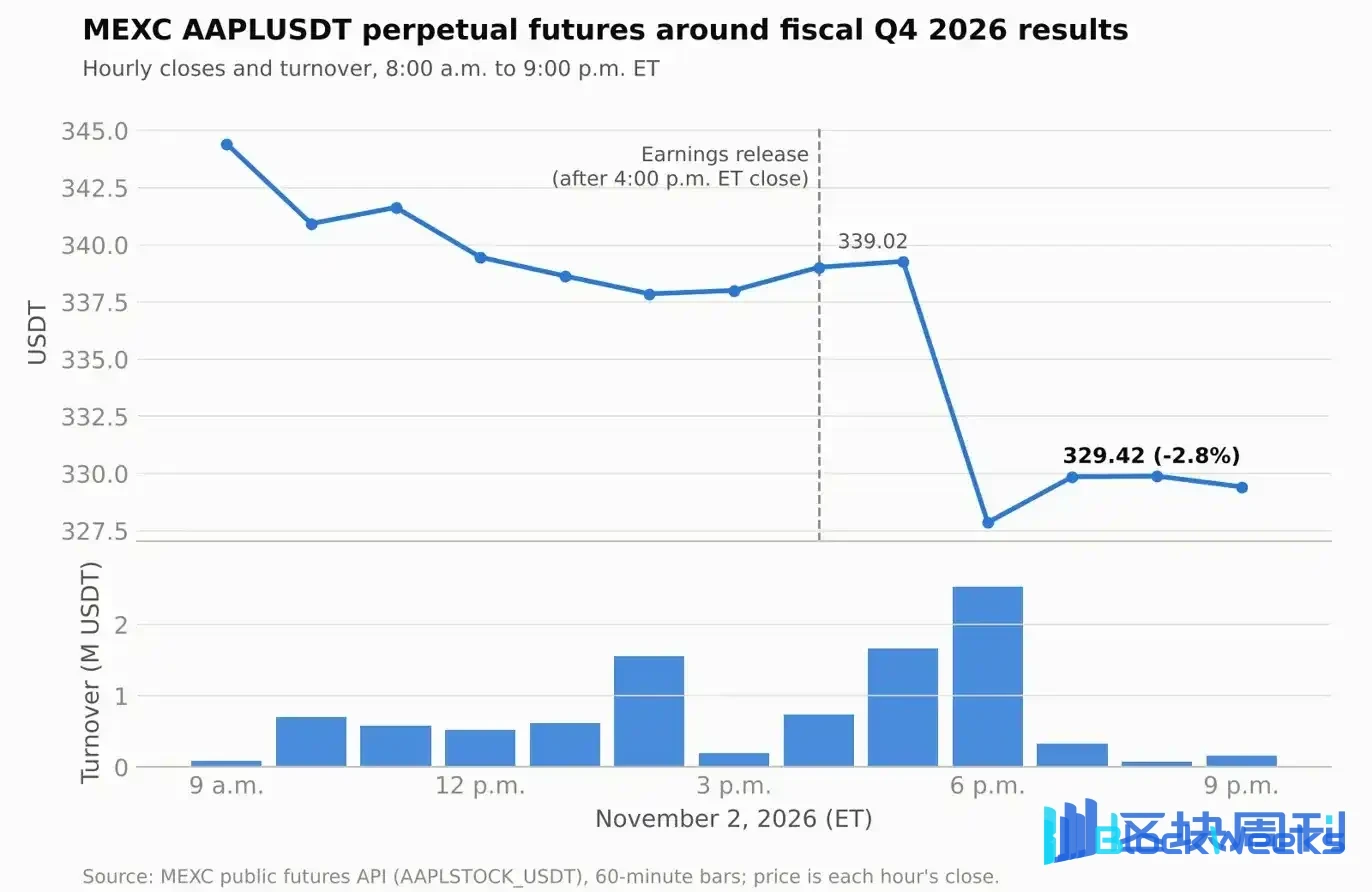
He pointed out that leverage (borrowed funds that magnify gains and losses), one-day options (bets on a stock's closing price that day), sports betting, and perpetual contracts (contracts with no expiration date) are fueling speculative sentiment in the market. "We're back to the casino-like market of the old days with leverage as high as 95%," Ackman said.
In his view, such sharp volatility is bad for the country, but good for Pershing Square—the firm uses these fluctuations to buy stocks at low prices. During this year's software stock selloff, Pershing bought Microsoft; after the tariff shock sent Amazon's stock lower, it bought Amazon as well.
Ackman said Pershing believes the market's enthusiasm for AI infrastructure companies has diverted attention, leaving some businesses with durable earnings growth undervalued. The firm expects earnings from its holdings to grow about 20% annually over the next three to five years, compared with 13% for the S&P 500.
Ackman called Visa and Mastercard "among the greatest businesses in the world." Pershing increased its stakes in both companies alongside Netflix in the second quarter, and after the third quarter began building its eighth new position for 2026.
Asked about a letter from Elliott Investment Management, Ackman responded to the analogy of a "Roaring Twenties"-style boom. According to The Wall Street Journal, the letter compared the current market to the boom period before the Great Depression. Elliott mentioned debt-driven spending, public backlash against AI, and "circular deals" in which chipmakers invest in AI companies, which then buy back their chips.
"I don't think the stock market is in a Roaring Twenties," Ackman said. He said earnings forecasts have risen sharply this year, and compared with that, stock prices look reasonable. As for public backlash, he believes the United States is in a global race for superintelligence and cannot afford to slow down.
He said financing in the private primary market shows more bubble-like buying. Even so, he believes the valuation of corporate credit card startup Ramp is reasonable, and that American Express should be worried. According to company disclosures, Ramp was valued at $44 billion in June.
Pershing's next 13F holdings report must be filed by mid-November and will disclose its holdings as of September 30.